

8:30 A.M. TO 3 P.M.
Community College of Philadelphia
Main Campus, Bonnell Building
2025 Conference Program
Registration
8 to 9:30 a.m.
Bonnell Building Lobby
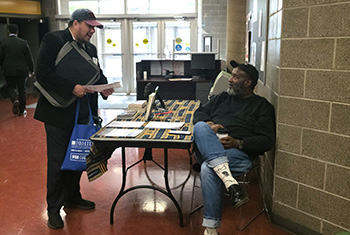
Resource Fair and Networking
8:30 to 9:30 a.m.
Bonnell Building Lobby
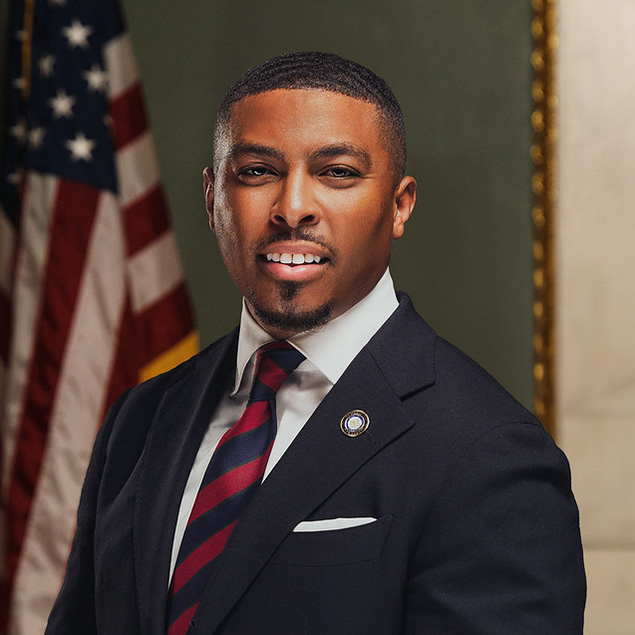
Keynote Address with the Honorable Reverend Nicolas V. O’Rourke, Philadelphia City Council Minority Whip
9:30 to 10:15 a.m.
Bonnell Building, Large Auditorium
The Honorable Reverend Nicolas V. O'Rourke is Philadelphia City Council’s Minority Whip, Pastor (Covenant) of the Living Water United Church of Christ in Oxford Circle, and the second Working Families Party member elected in Philadelphia. While a resident of the Fifth District, he serves all of Philadelphia as an At-Large member of City Council.
Working at the intersection of faith and justice, he was the Faith Leader's caucus co-chair for POWER Interfaith. He focused on combating mass incarceration, police brutality, and religious and secular prejudice. He fought for a strong public sector that keeps our kids safe and educated, our workers and residents protected, and actively supports the “beloved community” that Philadelphia can and must be.
O’Rourke works across wide ranging lines of thinking to highlight common ground for all people. As councilmember, he supports grassroots organizing that forward the goals of social justice and spiritual awareness, with eyes towards nurturing Philadelphia’s extant culture of organizing. His office works to ensure Philadelphia is a city that loves you back by empowering your voice, meeting your needs, and resourcing your dreams.
O’Rourke studied Young Adult Education at Central State University, Ministry and Leadership at the former Center for Urban Theological Studies, and currently studies at Lancaster Theological Seminary.
Morning Breakout Sessions
10:30 to 11:45 a.m.
Academic Asset Framing—A New Model for Educational Success for Students of Color
Room: BR-24
Learning Track: Communities, Schools Workplaces
Audience: Administrators, Students
Presenter: Jeff Jones, Founder and Senior Consultant, GDA Consulting
During this workshop we will look at the inspiring educational qualities of students of color and see them as being valuable to their schools and colleges. You will learn to not succumb to the negative narrative that implies that people of color have educational burdens and challenges that prevent them from succeeding in life or that they need extreme help to advance academically. This deficit narrative puts people of color in a subservient position academically and does not realize the great value that is within them. This is not to be naive to the challenges that students of color face academically, but we believe that none of these challenges have ever stopped students of color from being successful. A central premise of Academic Asset Framing is that within every educational system we see that students of color are the solutions to the problems around them as opposed to being the problem. There are thousands of students of color who are thriving and engaging in classrooms, achieving academic success and advanced degrees. Recognizing that these students exist provides proof of the narrative that students of color are succeeding despite the academic deficit narratives that try to paint a different picture. This workshop examines things from the perspective of what’s right with people of color academically as opposed to what’s wrong with them.
Attitudes Around AI
Room: BR-46Learning Track: Schools
Audience: Administrators, Students
Presenter: Lisette Enumah China, Ph.D., Senior Manager, Diversity, Equity and Inclusion, Boston Consulting Group
In recent years, students’ AI usage has grown exponentially, often outpacing educators’ abilities to understand and proactively plan for its uptake. While some teachers view AI as a “tool of the future” that students need for college and career readiness, others fear that students are losing critical thinking capabilities. As a result, there has been a wide spectrum of responses in schools, from complete technology bans to purposeful integration of AI tools. Education research has started to explore teaching practices using AI, but insufficient attention has been paid to how AI usage is influencing the pipeline of college admission and success. More specifically, as teachers implement widely variant AI practices, we need close, careful study of the equity impacts of these choices. This session explores teacher attitudes about how and why to use AI and the implications for student success, especially for students of color and low-income students. This interactive session will map the current state of AI usage in schools and connect trends to teacher attitudes about the risks and benefits of AI. You will leave with a framework for purposeful AI usage in schools that explicitly drives towards more equitable opportunities for student success, to and through college.
Why Mentoring is the Solution to Saving Our Youth
Room: BR-67Learning Track: Communities, Schools
Audience: Students
Presenter: George Morse, IV, Youth Mentor, 100 Black Men of Philadelphia
Philadelphia’s youth are navigating a critical crossroads, facing cycles of violence, poverty, and disconnection that continue to rob communities of their brightest potential. In this powerful and personal session, Mr. Morse, a dedicated mentor with 100 Black Men of Philadelphia, explores how intentional, relationship-based mentorship is helping young people choose a different path. Drawing on his lived experience, he will share how the organization's four core pillars — Mentoring, Education, Economic Empowerment, and Health & Wellness — have positively impacted not only the mentees but also their families, schools, and communities. From transformative field trips to college readiness programs and business exposure, this session highlights how exposure and consistency change lives when we invest in connection, center youth voices, and bridge generational divides.
Balancing Life While Being a BIPOC Professional/Student
Room: BR-30
Learning Track: Communities, Home Life
Audience: Students
Presenter: Ameera Sullivan, Founder and CEO, Not Your Average Professional
This dynamic and affirming in-person workshop is designed to empower Black, Indigenous and Person of Color (BIPOC) college students and young professionals as they navigate the layered realities of school, work, and home life. Often expected to excel in academic and professional spaces while carrying invisible burdens at home, many BIPOC individuals face challenges that are rarely acknowledged in traditional student support services. This session creates a space where participants feel seen, supported, and equipped, focusing on helping students and professionals identify the unique emotional, cultural, and systemic stressors that can disrupt their well-being and performance. From managing financial strain, food insecurity, and housing instability to navigating complicated family dynamics, participants will unpack what it really means to balance multiple roles—especially as first-generation students or the primary caregivers in their households. Through storytelling, small group discussions, and reflective exercises, attendees will explore the concept of “the invisible load”—the emotional labor and expectations that come with being a BIPOC student or professional in predominantly white or resource-limited environments. Participants will walk away with a personalized “Balance Blueprint,” a set of practical, culturally relevant tools they can use to manage their time, regulate stress, and advocate for their own needs in school, work, and at home. Resources will also be provided for food, housing, mental health support, and more.
Creating Sacred Hoods: Cultivating Community for Black, Brown &Minority Students
Room: BR-70
Learning Track: Communities, Schools, Workplaces
Audience: Administrators, Students
Presenter: Najiallah Muhammad, Student, Behavioral Health and Human Services
In an academic world where Black and Brown students often navigate spaces that weren’t built for them, “sacred hoods” become necessary sanctuaries—spaces where vulnerability, joy, and cultural connection can breathe freely. This interactive workshop invites students, educators, and community leaders to explore how to cultivate these sacred hoods on campus and beyond. We’ll unpack the emotional, cultural, and systemic challenges Black, Brown and Minority students face, while providing practical strategies for building community networks that sustain mental health, boost academic success, and foster a sense of belonging. Using personal storytelling, group reflection, and collective brainstorming, participants will leave with a toolkit for creating micro-communities—accountability circles, healing spaces, and creative collectives—that serve as shields and community soul food.
Parenthood, Purpose, and Pathways to College Success
Room: BR-62Learning Track: Communities, Schools, Workplaces, Home Life
Audience: Administrators, Students
Presenters: Eric Marsh, Sr., Executive Director of The Fathering Circle; Kalif Troy, Sena Owerenko and Brian Hollins
This workshop highlights the transformative power of parenthood as a driver of college achievement and professional success. The session will be led by Eric Marsh, Sr., executive director of The Fathering Circle, a Philadelphia-based organization supporting men and male caregivers. This session is designed for college students who are parents, as well as community and educational leaders seeking strategies to support them. Through a dynamic presentation and a guided discussion, participants will explore how parenthood—often framed as a barrier to higher education—can instead serve as a catalyst for resilience, motivation, and leadership. Drawing on our peer-based support model and direct experiences working with fathers from diverse backgrounds, we will unpack the hidden strengths and transferable skills that caregiving parents bring to the classroom and workplace: time management, emotional intelligence, crisis navigation, goal orientation, and community building. Attendees will gain insights into the unique challenges faced by student-parents—particularly fathers—and leave with practical frameworks to balance school, work, and parenting responsibilities.
The School to Career Path: What No One Tells You About the Journey
Room: BR-26
Learning Track: Communities, Schools, Workplaces
Audience: Students
Presenters: Aaron Helton-Holloman, Assistant Professor, Academic Advising; and Cameo Pritchett, Instructor, Academic Advising
The journey from school to career is rarely a straight line—especially for students navigating systemic barriers, financial challenges, and the uncertainty of being the “first” in their family to do it. This empowering and practical workshop is designed to prepare students for the real-life challenges of transitioning into the workforce, offering a fresh take on career readiness by blending mindset development, perseverance strategies, and advice from professionals. It covers practical tools—like résumé building and navigating interviews—while addressing what’s often left unsaid: navigating workplace culture, managing rejection, building networks from scratch, and finding the confidence to keep going. Attendees will also learn about local resources, the importance of mentorship, and training opportunities that support long-term success. Whether a student is entering the workforce after high school, attending college, or looking to build a meaningful career, this session provides real tools and motivation to move forward with purpose.
From Trauma to Healing
Room: BR-73
Learning Track: Home Life
Audience: Students
Presenter: Brandon Brown, Director of Education and Training, Center for Health Justice and Bioethics, Temple University Lewis Katz School of Medicine
A student's emotional state profoundly impacts their ability to succeed academically. According to the American Council on Education (2025), more than 60% of students indicated a need for help with emotional or mental problems like anxiety or sadness in the last year. This is especially challenging for Men of Color who frequently face a stigma linking mental health issues to weakness, making them less likely to report or seek assistance when in distress. Historically, communities of color have grappled with powerful societal pressures that often lead to silent suffering. This workshop empowers scholars to cultivate the personal strategies necessary for academic excellence. Through interactive sessions, participants will discover the power of emotional intelligence, practical self-care techniques, and other essential strategies that contribute to sustained academic performance and achievement. You'll leave with ready-to-use action steps to immediately improve your well-being and academic journey.
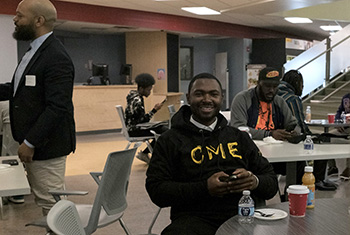
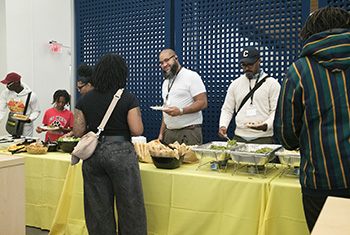
Lunch and Panel Discussion
12 to 1 p.m.
Mint Building, Library and Learning Commons
Afternoon Breakout Sessions
1:10 to 2:25 p.m.
Leveraging AI through Entrepreneurialism
Room: BR-67
Learning Track: Communities, Schools, Workplaces
Audience: Administrators, Students
Presenter: Jonathan Muruako, Founder and CEO, Fitalyst
In a climate of increasingly fast adaptation to technological advancements, particularly with the promises and uncertainties around artificial intelligence, what does it look like for a college student of color to build (not just survive) and capitalize on this changing world? In this session, Jonathan Muruako, a first-gen, low-income student turned four-time Ivy League grad and founder of Fitalyst, shares how he used AI tools like ChatGPT, Granola, and Lovable AI to move from being overwhelmed to building tools for others. Through real stories and practical tips, Jonathan breaks down how students of color can cultivate the entrepreneurial mindset by using what’s around them to create what they need. This is not a tech talk but a roadmap for turning struggle into strategy and ideas into impact. Learn how to get started with your AI learning journey, practical prompting tips, and which AI tools to use today to jumpstart your business. Whether you're a student, educator, or future founder, you'll walk away with tools, inspiration, and proof that you can build, too!
The Four Pillars of College Success
Room: BR-73
Learning Track: Schools
Audience: Students
Presenter: Ebony Tyler, Executive Director of Liberated Success, and Clayton Ward, Jr.
Transitioning into college is more than enrolling in classes, it’s about building the skills, mindset, and support systems needed to thrive. This workshop will introduce participants to the Four Pillars of College Success that empower students to take charge of their academic and personal growth. Through a mix of storytelling, real talk, and actionable strategies, participants will explore how to strengthen their sense of belonging, advocate for themselves, navigate financial and basic needs, and align their college experience with their larger purpose. This workshop is designed for high school seniors, first-year college students, and anyone who wants to level up and lead in their educational journey. By identifying common barriers to success in college and strategies to overcome them, students will gain practical tools for academic self-advocacy, resource access, and wellness, leaving with renewed clarity and motivation for their college goals.
The ADHD Advantage: Rethinking Success for Black Males in College and Beyond
Room: BR-30
Learning Track: Communities, Schools, Workplaces
Audience: Administrators, Students
Presenter: Dr. Travis Wilkins, Senior College Counselor, Cristo Rey High School
For too long, Black males living with ADHD have been overshadowed by stigma, silence, and systemic barriers. Many face a double battle: overcoming cultural misconceptions that equate ADHD with laziness or failure, while also navigating educational spaces where their learning needs are overlooked or misunderstood. The decision to pursue college as a Black male with ADHD is an act of courage and resilience—a radical declaration of worth and potential. This session dismantles the deficit narrative and reframes ADHD as an advantage—a unique set of strengths that can propel Black males toward leadership, creativity, and innovation. Through a culturally responsive lens, participants will uncover how race, neurodiversity, and access intersect, and why acknowledging and affirming these intersections is essential for true equity in higher education. Attendees will engage in interactive discussions, stigma-busting exercises, and real-world solution-building activities designed to equip educators, counselors, and practitioners with the strategies needed to help Black males own their ADHD identity, embrace their strengths, and persist through college into thriving futures.
Built for This: Creating Purpose, Passion, and Pathways for Black Excellence
Room: BR-24
Learning Track: Communities, Schools, Workplaces, Homelife
Audience: Administrators, Students
Presenter: Dr. Walter Copeland, II, Professor in the Business and Technology Department at Community College of Philadelphia, and CEO and Founder of Health is Wealth
This session examines how culturally grounded leadership, mentorship ecosystems, and intentional design can create lasting pathways for Black excellence in education, career advancement, and public life. Dr. Copeland will share strategies informed by lived experience, classroom practice, and leadership in community and public health. Participants will explore frameworks for expanding access, strengthening equity, and addressing the social conditions that shape opportunity. Through data, stories, and practical tools, attendees will gain insights on how to cultivate purpose, fuel passion, and build replicable pipelines that move students from marginalized beginnings to positions of impact. This session challenges educators, administrators, and community leaders to design environments where Black excellence is not only possible but expected.
5 Reasons Your Students Lack Purpose & Vision
Room: BR-62
Learning Track: Communities, Schools
Audience: Administrators
Presenter: Terrence Jones, Director of Academic Enrichment, Peirce Operations at Lackawanna College
This workshop will focus on the principles and strategies essential for guiding students who lack clear personal and professional vision towards discovery of purpose. Administrators will be provided an arsenal of tools and insights to support students on their journey of self-discovery with innovation in program design and instruction. Drawing on proven methodologies and research-based case studies, the workshop will explore effective communication techniques, meeting approaches, and tailored interventions to help administrators connect with todays students and facilitate meaningful conversations about their future. Through an interactive session, participants will delve into the psychology of purpose, exploring how to identify and nurture individual strengths, interests, and values. This journey is sure to empower professionals to have fresh impact with their student population as catalysts for transformative change in students who may currently lack personal and professional vision. We will consider strategies that will nurture and cultivate purposeful exploration, enabling students to embark on a journey to discover purpose and achieve student support & holistic success.
Miz Prophet Tells All
Room: BR-70
Learning Track: Communities, Schools, Workplaces
Audience: Administrators, Students
Presenter: Quinn Eli, Assistant Professor, English, and Jonathan Pappas, Assistant Professor, English
"Miz Prophet Tells All," a modern re-imagining of the Cassandra myth, explores themes of truth, communication, and societal neglect of marginalized voices. Developed through a unique blend of devised theater and creative writing workshops, the play provided an immersive, hands-on learning experience for students from diverse courses, including Acting, Technical Theater, and Creative Writing. This collaborative process, guided by Theater faculty such as Jonathan Pappas, Dave Ebersole, and Kirsten Quinn, as well as playwrights like Quinn D. Eli and Jacqueline Goldfinger, empowered students to develop essential skills in critical thinking, problem-solving, and teamwork. These modalities are crucial for success in any career path. The production's journey, from initial concept in September 2024 to a staged reading in December 2024 and full production in spring 2025, exemplifies a dynamic educational model. Students were not merely participants but co-creators, gaining a profound sense of ownership and agency. This initiative directly addresses the conference's goal of engaging students about opportunities for success through higher education and professional training.
Closing Session with Abu Edwards, Director, Mayor’s Office of Black Male Engagement, and Executive Director, Mayor’s Commission on African American Males for the City of Philadelphia
2:30 to 3 p.m.
Bonnell Building, Large Auditorium
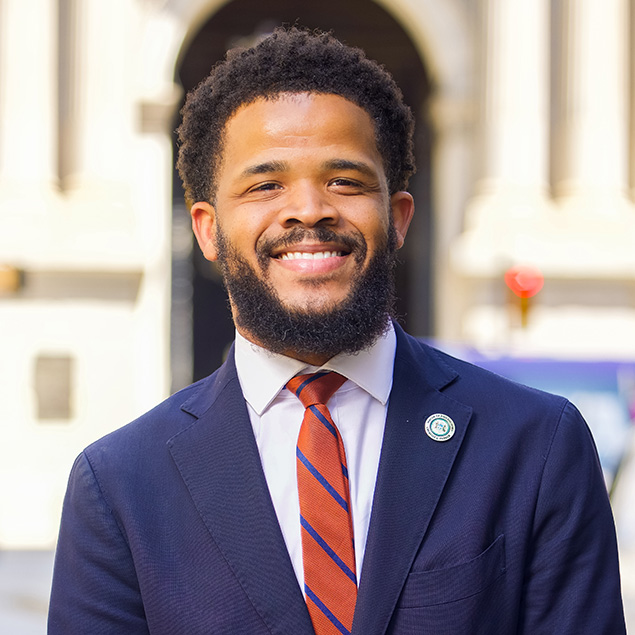
Abu Edwards is a respected public servant, political strategist, and advocate for equity and systemic change. He currently leads the city’s efforts to improve outcomes for Black men and boys across education, economic mobility, justice, and civic engagement.
Born and raised in the Germantown section of Philadelphia, Abu’s journey began with struggle in the classroom. But a teacher’s decision to name him “line leader” sparked something greater: the belief that he could lead. That spark carried him from student government president in high school to serving as citywide student body president. A proud first-generation college graduate, Abu earned his degree from Wilberforce University, the nation’s oldest private HBCU. As a student, he not only served as treasurer—he also spent summers recruiting and mentoring hundreds of first-generation students to attend Wilberforce, creating college access opportunities for Black youth across the region.
Even before holding a formal government role, Abu organized a fully funded student leadership conference through FLAG (Future Leaders of American Government) and Black in Government, bringing together over 100 high school and college students for training, mentorship, and public service exposure.
Professionally, Abu has advocated for voting access for incarcerated citizens under the Leadership Conference on Civil and Human Rights; served as Director of State Affairs, Smart Approaches to Marijuana (SAM), served as a political strategist on major campaigns including Biden-Harris, Bloomberg for President, Katie McGinty for Governor, and Justice David Wecht’s Supreme Court campaign; and served as a legislative aide to PA State Representative Rosita Youngblood, where he learned the fundamentals of policy and public service.
Abu is a 2025 Male Mentor of the Year (Phi Beta Sigma Fraternity, Inc., Nu Sigma Chapter), a 2022 Philadelphia Legacies Community Service Award recipient, a 2022 HBCU Data Academy graduate, and a longstanding NAACP leader. His life’s work centers on one mission: to build systems, relationships, and opportunities that ensure Black men and boys are not just seen—but prepared, supported, and empowered to lead.